Latest update (November 18, 2026): We found no active MaxLend class action, settlement fund or claims deadline. The most recent verified case, Combs v. Makes Cents, Inc. (No. 3:22-cv-50006), was filed on January 6, 2022 by an Illinois borrower who alleged a $400 MaxLend loan carried a 699.77 percent APR in a rent-a-tribe scheme. The parties told the court on March 10, 2022 that they had privately resolved it, and it was dismissed on May 16, 2022.
What’s next: Class members’ claims were dismissed without prejudice, so a new suit remains possible. We’ll update this page if new details emerge.
Last updated: November 2026
Is There a MaxLend Class Action or Settlement?
We could not find one. No court record, settlement administrator or news report we reviewed shows an open MaxLend class settlement, a claim form or a payout. If a site asks you to pay a fee or share bank details to claim MaxLend money, treat it as a possible scam.
Related: Uprova Lawsuit 2026: Case Status and Borrower Options
Earlier versions of this page described a class of more than 45,000 borrowers, a February 2026 ruling on tribal immunity, a May 2026 certification hearing and payouts of $50 to $2,500. We found no support for those details and removed them. The page also tied MaxLend to BlueChip Financial. BlueChip operated a different lender, Spotloan, through the Turtle Mountain Band of Chippewa Indians, so that connection was wrong.
What Did the Combs v. Makes Cents Lawsuit Allege?
MaxLend is the trade name of Makes Cents, Inc., which describes itself as owned by the Mandan, Hidatsa and Arikara Nation of North Dakota. In January 2022, an Illinois borrower sued Makes Cents, Inc., Uetsa Tsakits, Inc., Cane Bay Partners VI, LLLP and two individuals. The complaint alleged a rent-a-tribe scheme in which the tribe had little real involvement and lent its sovereign immunity to non-tribal investors for a fee.
| Detail | Info |
|---|---|
| Case | Combs v. Makes Cents, Inc. et al., No. 3:22-cv-50006 |
| Filed | January 6, 2022 |
| Alleged loan | $400 at 699.77 percent APR |
| Claims | Illinois consumer fraud, interest and predatory lending laws; federal RICO |
| Proposed class | Illinois residents with a MaxLend loan above 9 percent interest after March 23, 2021 not paid in full |
| Outcome | Privately resolved March 2022; dismissed May 16, 2022 |
The plaintiff’s own claims were dismissed with prejudice. The putative class members’ claims were dismissed without prejudice, which means other borrowers were not barred from suing. The settlement terms were not disclosed. These are allegations; the defendants have not been found liable.
What Is a Rent-a-Tribe Lending Claim?
Tribal lenders often argue that tribal sovereign immunity shields them from state interest-rate caps and licensing rules. Borrowers and regulators have argued in various cases that some lenders merely use a tribe’s name while outside companies fund and control the loans. Courts have reached different results depending on the facts. Our guide to the Big Picture Loans lawsuit covers another tribal-lender dispute.
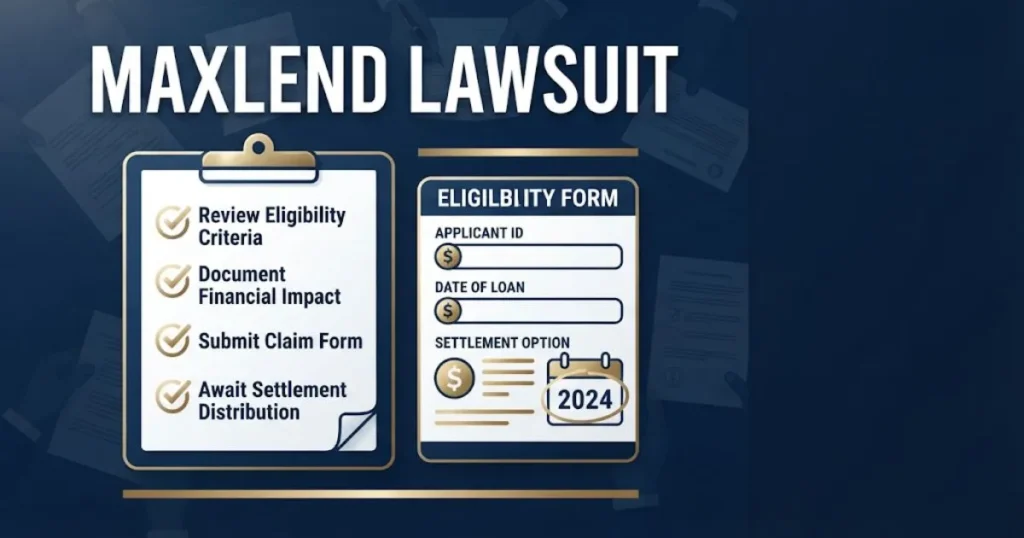
What Can MaxLend Borrowers Do Now?
If you believe a MaxLend loan was unlawful, you can take these steps:
- Gather your loan agreement, payment history and bank statements.
- Check your state’s interest-rate cap and whether lenders need a state license.
- File a complaint with your state attorney general or financial regulator and with the Consumer Financial Protection Bureau.
- Ask a consumer lending attorney whether an individual or class claim is possible, and check the loan’s arbitration clause.
Time limits depend on your state and the claim, so act promptly.
Frequently Asked Questions
Is the MaxLend lawsuit still active?
We found no active MaxLend class action. The most recent verified case was dismissed on May 16, 2022 after a private resolution.
Can I get a MaxLend settlement payment?
There is no known MaxLend class settlement or claim form, so there is nothing to file.
Who owns MaxLend?
MaxLend is operated by Makes Cents, Inc., which says it is owned by the Mandan, Hidatsa and Arikara Nation. The 2022 lawsuit alleged outside investors controlled the business.
What interest rate did the lawsuit allege?
The plaintiff alleged a $400 loan at an APR of 699.77 percent.
Sources reviewed include the Combs complaint and docket summaries, Connecticut Department of Banking records on BlueChip Financial and press coverage of tribal lending cases.