

Termites cause more property damage across Florida than almost any other pest, yet most homeowners and condo associations do not realize they have a legal claim until the damage is already extensive. Whether the issue stems from a failed termite treatment, a falsified inspection, or an insurance company denying coverage it should have honored, understanding the legal options available is often the difference between absorbing a significant financial loss and recovering what is owed.
Why Termite Damage Claims Are More Complicated Than They Look
Florida’s climate makes it one of the most termite-prone states in the country, and most property owners rely on pest control companies to catch problems early through routine inspections and treatment contracts. When those companies cut corners, whether by falsifying inspection reports, using ineffective treatments, or simply failing to disclose known infestations, the financial consequences can fall entirely on the property owner unless the situation is challenged.
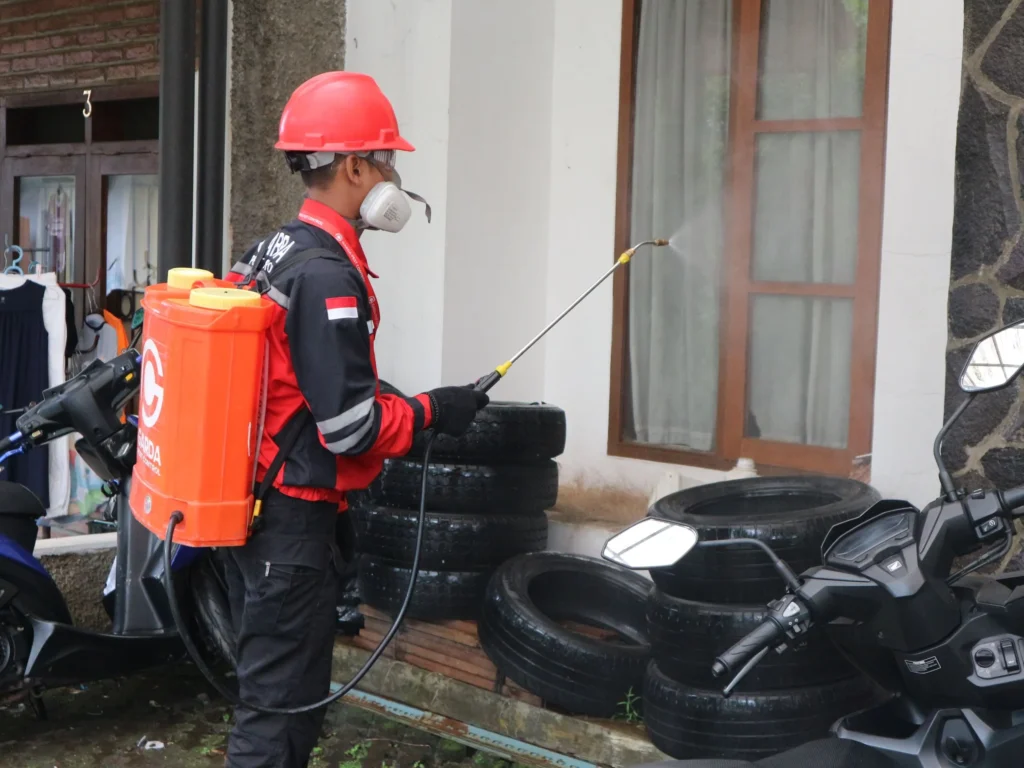
Insurance adds another layer of complexity. Many property owners assume termite damage is automatically excluded from their homeowners or commercial policy, and insurance adjusters often reinforce that assumption. In reality, policy language varies significantly, and damage that appears excluded on the surface may still be covered depending on how the loss occurred and how the policy is written. Property owners who accept a denial at face value, without a closer legal review, frequently walk away from claims they were entitled to pursue.
What a Termite Damage Attorney Actually Does
This is the area where an experienced termite damage attorney becomes essential. These cases require a specific combination of knowledge, including how termite treatment contracts are structured, how pest control companies attempt to limit their liability, and how Florida insurance law applies to property damage claims involving termites. General practice attorneys rarely have deep experience in this niche, which means property owners are often left navigating technical disputes without the right kind of representation.
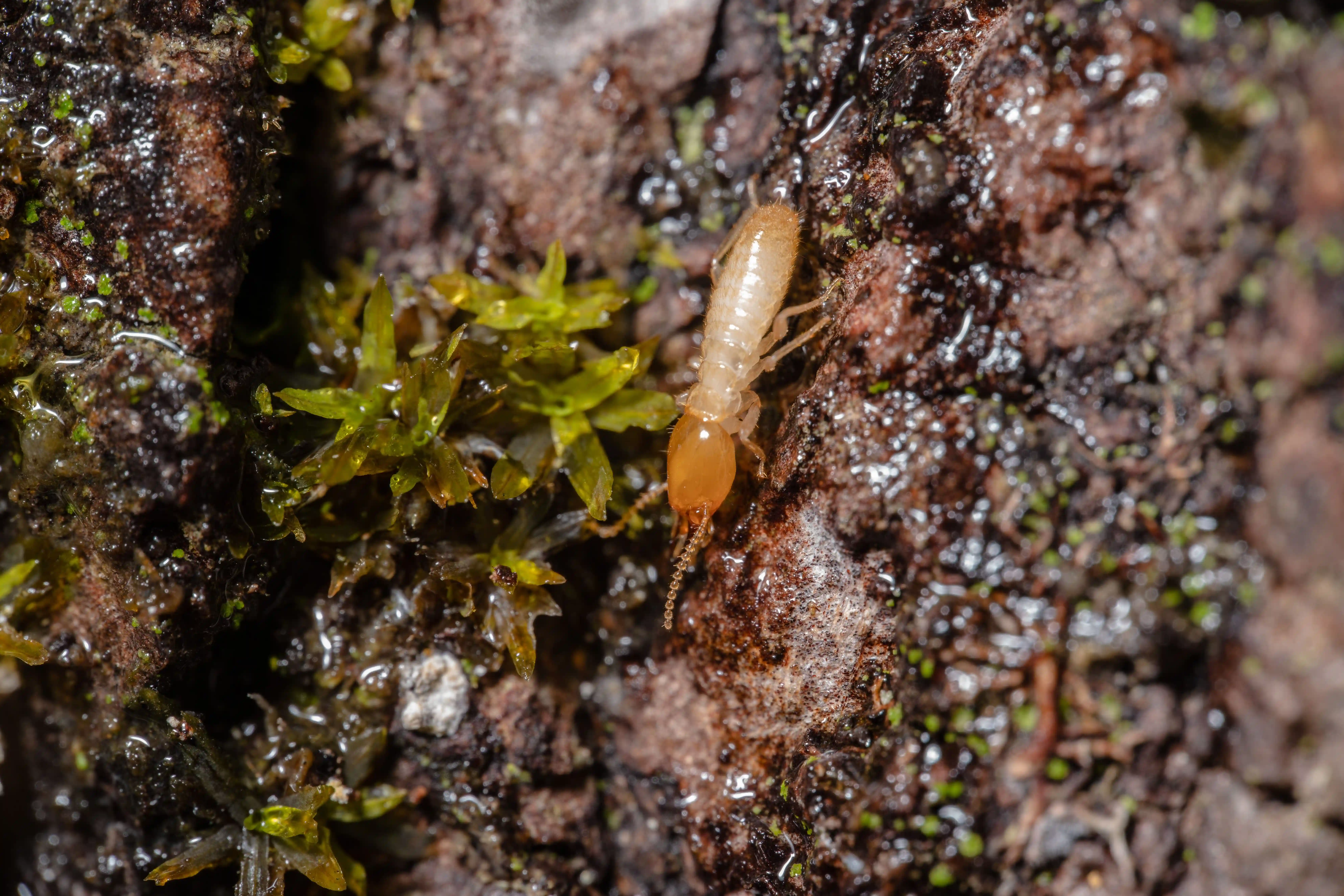
An attorney who focuses specifically on termite litigation can evaluate whether a pest control company breached its contractual duties, whether an inspection was falsified or incomplete, and whether an insurance denial was issued in good faith or in violation of the policy’s actual terms. That evaluation often reveals options property owners did not know they had, including the ability to pursue damages beyond the immediate repair costs when a company’s conduct was particularly egregious.
Common Situations That Warrant Legal Review
Property owners and condo associations should consider a legal consultation any time a termite issue involves one of the following circumstances: a pest control company that failed to catch an infestation despite regular paid inspections, a denied insurance claim involving termite damage, visible structural damage that developed despite an active treatment contract, or communities managing shared structures where the cost of repair is spread across multiple unit owners. In each of these situations, the financial stakes tend to be high enough that a legal review is worth the time, particularly since many of these cases are handled on a contingency basis with no upfront cost to the property owner.
Termite damage cases are rarely straightforward, and insurance companies and pest control providers both have significant resources dedicated to minimizing what they pay out. Property owners who understand their rights early, and who seek the right kind of legal guidance are in a far better position to recover what they are actually owed rather than accepting the first answer they are given.
Cardillo Law Firm has represented Florida property owners in termite damage and insurance claim disputes since 1996, handling cases throughout the state. More information is available at cardillolaw.com.







