

A lot of car accident litigation is won or lost according to the evidence. When in doubt, photos, police reports, witness statements, and medical records can help establish who is at fault and how severe the injuries were, and when they don’t exist or are weak, it can make winning a claim a lot more difficult.
Charleston, South Carolina, is one of the state’s busiest cities, with heavy commuter traffic, major highways, and a growing population. As traffic volume increases, so does the likelihood of accidents that lead to injury claims and legal disputes. Legal professionals, including Tiano O’Dell’s Charleston car accident legal team, often rely on a combination of documents, expert analysis, and firsthand accounts to build strong cases.
In this article, you’ll learn which types of evidence carry the most weight in a car accident lawsuit, what mistakes can weaken a claim, and how proper documentation can make a significant difference in the outcome of a case.
What Evidence Carries the Most Weight in a Car Accident Lawsuit?
Strong evidence helps establish three key facts: who caused the crash, how the accident happened, and the extent of the damage. The more reliable the evidence, the harder it becomes for the other side to dispute your claim.
Police reports are often among the first documents reviewed. Officers record observations, statements from drivers and witnesses, and details from the scene that may support your version of events.
Recent traffic safety data shows that tens of thousands of people are killed in motor vehicle crashes each year in the United States, making accurate crash documentation a major part of injury investigations. Information from the National Highway Traffic Safety Administration is frequently used to understand broader accident trends.
Why Are Photos and Videos So Important?
Visual evidence can tell a story that words sometimes cannot.
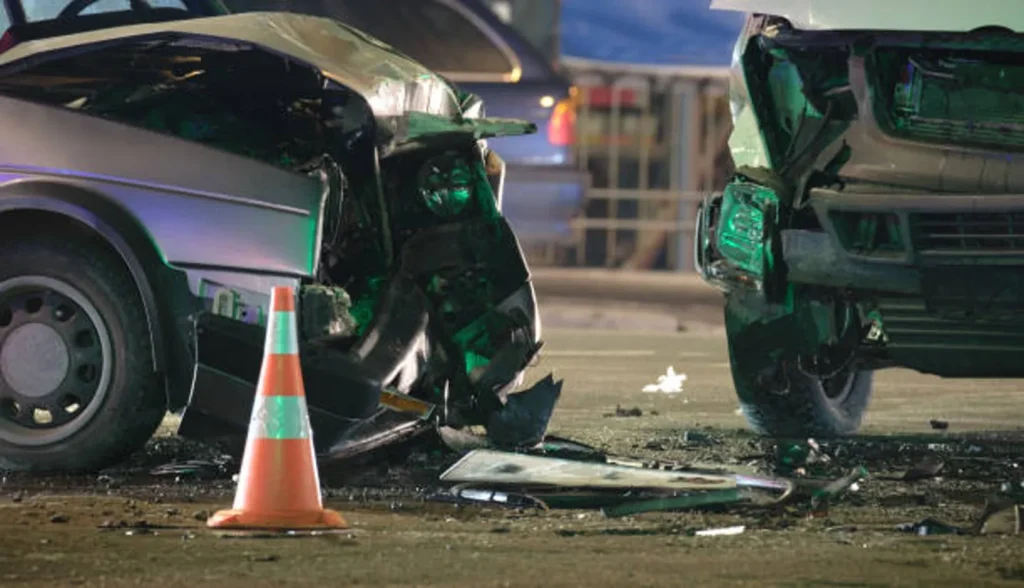
Photos taken immediately after a crash can show:
- Vehicle damage
- Road conditions
- Traffic signs and signals
- Skid marks
- Weather conditions
- Visible injuries
Video footage can be even stronger. Dashcams, surveillance cameras, and traffic cameras may capture the collision itself, leaving little room for disagreement about what happened.
How Do Medical Records Affect Your Case?
Even when the fault is clear, you still need proof of your injuries.
Medical records connect your injuries directly to the accident. They show when treatment started, what diagnoses were made, and how the injuries affected your daily life.
According to information published by the Centers for Disease Control and Prevention, motor vehicle crashes remain a leading cause of injury-related emergency department visits in the United States. Detailed medical documentation helps demonstrate the seriousness of those injuries.
Common Medical Evidence
- Emergency room records
- Doctor evaluations
- Imaging scans
- Physical therapy notes
- Prescription records
- Future treatment recommendations
Can Witness Statements Make a Difference?
Yes, especially when drivers tell different versions of the same story.
An independent witness has no financial interest in the outcome of the lawsuit. As a result, judges, insurance companies, and juries often view their statements as more credible.
For example, a witness may confirm that one driver ran a red light or was using a phone moments before impact.
What Evidence Can Hurt Your Claim?
Not all evidence helps.
Certain facts can weaken your position or reduce compensation. Insurance companies and defense attorneys look closely for inconsistencies.
Common issues include:
- Delaying medical treatment
- Giving conflicting statements
- Posting accident-related content on social media
- Missing important documents
- Ignoring the doctor’s instructions
A simple social media post showing physical activity can sometimes be used to challenge claims about injury severity.
How Do Experts Strengthen a Car Accident Case?
Complex cases often require expert analysis.
Accident reconstruction specialists use vehicle damage, roadway measurements, and physics calculations to explain how a crash occurred. Medical experts may testify about long-term injuries and future care needs.
Economic experts can also calculate lost wages and future earning capacity when injuries prevent someone from returning to work.
What Happens When Evidence Is Missing?
Missing evidence does not automatically destroy a case, but it can create challenges.
Memories fade over time. Witnesses move away. Surveillance footage may be deleted within days or weeks. That is why collecting evidence quickly is often one of the most important steps after an accident.
When documentation is limited, attorneys may rely more heavily on expert testimony, medical records, and available physical evidence to fill gaps.
Key Takeaways
- Strong evidence can determine whether a car accident lawsuit succeeds or fails.
- Police reports help establish important facts about the crash.
- Photos and video footage often provide some of the most persuasive proof.
- Medical records connect injuries directly to the accident and support damage claims.
- Independent witness statements can strengthen disputed cases.
- Delayed treatment, inconsistent statements, and social media activity may weaken a claim.
- Gathering and preserving evidence early helps protect the strongest possible case.







