

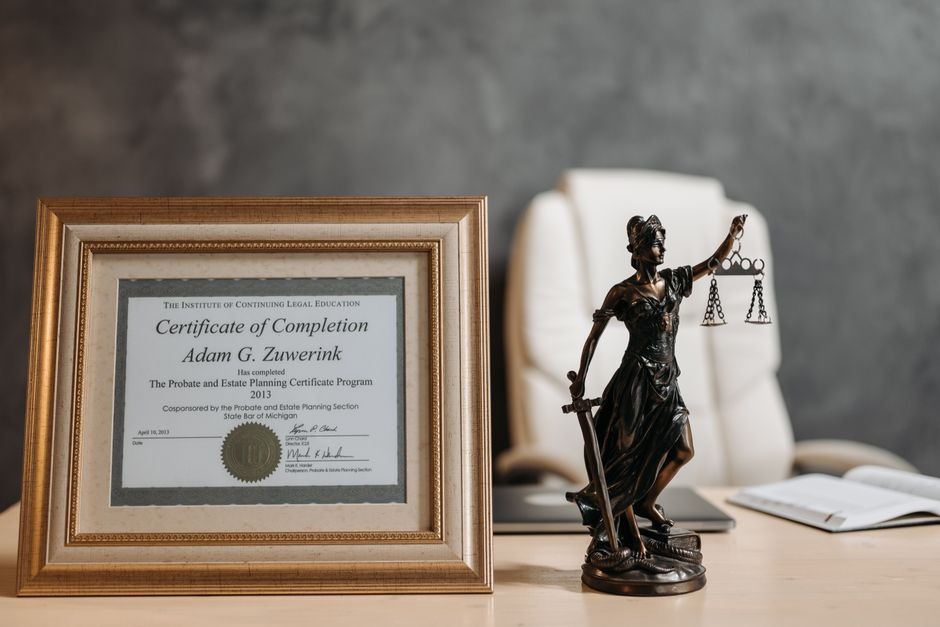
When a person dies, the practical questions arrive almost immediately. Who pays the outstanding bills? Who can speak to the bank? Who decides what happens to the house, the car, and the savings account? Families are rarely prepared for how quickly these questions surface, and grief makes them harder to answer. A well-built estate plan exists to answer them in advance, in writing, so that the people left behind are not forced to guess.
Where Confusion Over Authority Begins
When someone dies, the people closest to them are often left holding paperwork they have never seen before. Much of that paperwork can involve a power of attorney, and families are frequently surprised to learn that this authority does not continue after death. Clear, plain explanations of how that authority works and when it ends can settle the question before it ever turns into a dispute.
For families who want that explanation in one place, Bogart Wealth explains power of attorney after death without the usual legal jargon. Understanding that boundary early spares relatives a great deal of guesswork at the worst possible moment.
What an Estate Plan Is Actually For
An estate plan is a set of written instructions about your money, your property, and the people you want in charge of both. It is not reserved for the wealthy, and it is not only about taxes. A plan tells your family what you own, where it is held, who inherits it, and who has the standing to carry out your wishes. Without one, those decisions fall to state law and to a court, which will apply a general rule rather than your personal intentions. The result is often slower, more expensive, and far less like what the person actually wanted.
Naming the Right People for the Right Roles
Most confusion in families comes down to a single question: who is allowed to act? An estate plan answers that by naming specific people to specific roles. An executor carries out the instructions in a will. A trustee manages property held in trust. A guardian cares for children who are still minors. These roles are not interchangeable, and naming one person to all of them is not always wise. Choose people who are organized, trusted by the rest of the family, and willing to take the job on. It is worth asking them in advance rather than surprising them later.
Keeping Records Where Your Family Can Find Them
A plan that nobody can locate is almost as unhelpful as no plan at all. Families routinely lose weeks hunting for account statements, insurance policies, property deeds, and passwords. Keep a current list of what you own and where it is held, and tell at least one trusted person where that list lives. Include the names of the professionals you work with, because an accountant or attorney who already knows your situation can save your family enormous effort. Review the list once a year and update anything that has changed.
Why Beneficiary Designations Deserve Attention
Some assets pass directly to a named person and never follow the instructions in a will. Retirement accounts and life insurance policies usually work this way. If the name on that form is out of date, the money goes to the person listed, regardless of what any other document says. This single oversight causes more family conflict than almost anything else in estate planning. Check every designation after a marriage, a divorce, a birth, or a death in the family, and make sure a backup choice is listed as well.
How Probate Fits Into the Picture
Probate is the court process that transfers ownership of property from someone who has died to the people entitled to receive it. It happens whether or not a will exists. With a valid will, the court generally follows the instructions it contains and recognizes the executor named in it. Without one, the court appoints an administrator and distributes property according to state law. Good planning does not always avoid probate, but it makes the process shorter, clearer, and far less likely to be contested by relatives who disagree with each other.
Talking to Your Family Before It Matters
Written documents handle the legal side. Conversations handle everything else. Families argue less when they already know what the plan says and why it says it. Explaining your reasoning while you are able to explain it removes the suspicion that often follows an unexpected arrangement. The conversation does not need to cover every number. It needs to cover who is in charge, what they are responsible for, and where the paperwork is kept. A short, honest discussion now prevents years of resentment later.
Reviewing the Plan as Life Changes
An estate plan reflects the life you had when you wrote it. Marriages, divorces, births, deaths, business sales, property purchases, and moves to another state can all make parts of it outdated. A plan left untouched for a decade may name people who are no longer in your life and leave out assets you have since acquired. Set a regular review schedule and treat major life events as automatic triggers for a second look. Small updates made along the way are far easier than a rushed rewrite.
Working With Professionals Who Understand the Details
Estate planning sits where legal, tax, and financial questions overlap, and few families can navigate all three alone. An attorney drafts documents that will stand up in court. A financial advisor keeps the plan consistent with the rest of your finances and flags accounts that are titled incorrectly. A tax professional helps you understand the consequences of how property is transferred.
Planning Today to Protect Your Family Tomorrow
The purpose of estate planning is not paperwork. It is to remove uncertainty at a moment when your family will have very little capacity to handle it. Clear instructions, current records, the right people in the right roles, and an honest conversation beforehand will do more for your relatives than any single document. Start with what you own and who you trust, write it down, and review it as your life changes. The effort belongs to you now so that the confusion never belongs to them later.







