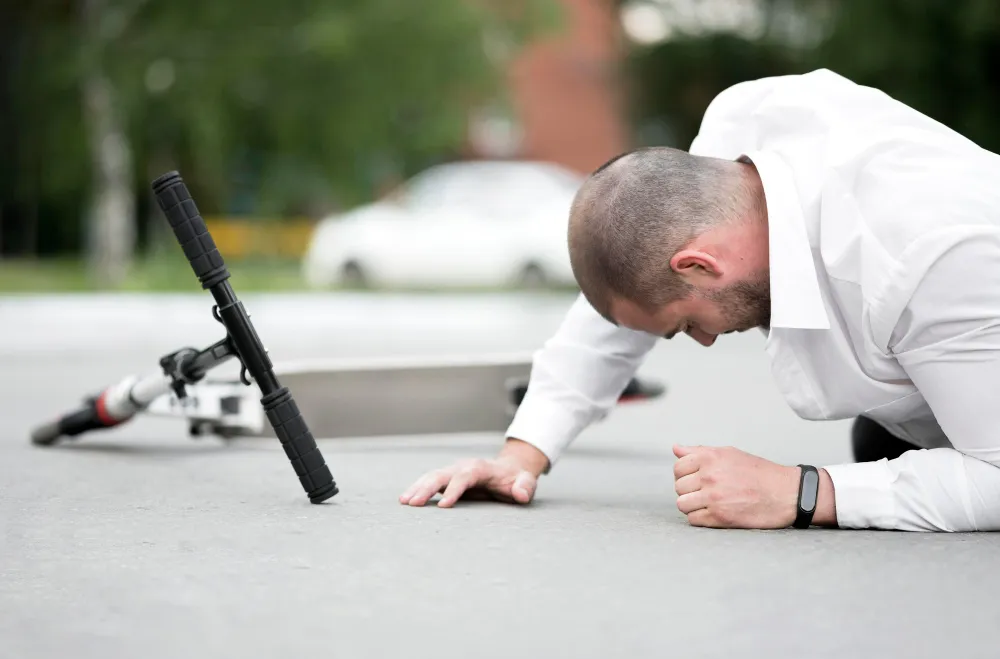
After an accident, calling the police or creating an incident report can provide useful documentation. But accidents do not always unfold that neatly. A driver might suggest exchanging information instead of calling law enforcement. A customer who falls in a store might leave before speaking with a manager. Someone injured on private property might not realize the extent of the injury until hours or days later.

That can leave an injured person wondering whether the lack of an official report prevents them from pursuing compensation.
In South Carolina, the answer is generally no. A police report or incident report can strengthen the documentation surrounding an accident, but it is not necessarily a requirement for bringing a personal injury claim. The bigger question is whether there is enough evidence to establish what happened, who was responsible, and what damages resulted.
A Personal Injury Claim Depends on Evidence, Not One Specific Document
A personal injury case typically requires evidence showing that another person or business was legally responsible for an injury and that the injured person suffered damages as a result.
An official accident report can be one piece of that evidence. It might document the date, location, people involved, witness information, or conditions observed shortly after the incident. However, the absence of a report does not erase the accident itself.
Someone pursuing a personal injury claim without a police report can rely on other forms of evidence to establish the circumstances surrounding the injury.
For people dealing with an accident in South Carolina, resources from Morris Law can provide additional information about personal injury claims and the types of evidence that can become relevant.
What Evidence Can Help When There Is No Police or Incident Report?
When there is no official report, preserving other evidence becomes especially important. Evidence created close to the time of the accident can help establish conditions before memories fade or physical evidence disappears.
Useful evidence can include:
- Photos or video of the accident scene
- Pictures of vehicle damage or dangerous property conditions
- Surveillance footage from nearby homes or businesses
- Names and contact information for witnesses
- Text messages or emails discussing the accident
- Medical records documenting injuries and treatment
- Receipts and invoices related to medical care
- Employment records showing missed work
- Insurance communications
- Vehicle repair estimates
- Photos showing how injuries developed over time
A person involved in a crash might also have dashcam footage or data from a vehicle. After a premises liability accident, security cameras, maintenance records, inspection logs, or employee statements could become relevant.
The specific evidence will depend on how the injury occurred.
Why Police and Incident Reports Are Still Helpful
Although a report is not necessarily required to pursue a claim, creating one can reduce disputes later.
After a crash, for example, the drivers might initially agree about how the collision happened. Days later, one driver could give their insurer a different version of events. Documentation created at the scene can help establish basic facts while the events are still fresh.
Incident reports can serve a similar purpose in stores, restaurants, apartment complexes, workplaces, and other properties. Reporting the injury gives the business notice that something happened and can identify employees or witnesses who were present.
It is also important to understand that an accident report does not automatically prove who was legally at fault. South Carolina’s evidence rules specifically limit the use of certain statutorily required accident reports as evidence of negligence or due care in a damages action. A personal injury case still depends on the broader body of admissible evidence.
What If the Other Person Denies the Accident Happened?
This is one of the biggest challenges when no formal report exists.
Suppose two vehicles collide in a parking lot. Both drivers exchange information but do not contact law enforcement. Later, one driver claims there was no collision or argues that the other vehicle caused it.
Without an official report, the dispute becomes more dependent on independent evidence.
Photos showing fresh damage can help. So can surveillance footage, witness statements, repair records, text messages, or admissions made after the accident.
The same issue can arise after a fall. If someone slips on water in a store but leaves without notifying an employee, the business could later dispute when or where the fall occurred.
That does not automatically defeat a claim. It does mean evidence preservation becomes especially valuable.
Seek Medical Care and Document Your Injuries
Accident documentation focuses on what happened. Medical documentation helps establish what happened to the injured person afterward.
Seeking appropriate medical attention creates records showing symptoms, diagnoses, treatment, and follow-up care. Those records can also help connect an injury to the accident when the timing and medical history support that connection.
Waiting a long time to seek care can create additional questions during an insurance claim. An insurer might argue that the injury was minor, occurred somewhere else, or was unrelated to the accident.
That does not mean every injury requires emergency treatment. The appropriate level of care depends on the person’s symptoms and medical needs. The key is not to ignore symptoms simply because an accident initially seemed minor.
Keeping personal records can also help. An injured person can save appointment information, medical bills, mileage related to treatment, pay records, and correspondence with insurance companies.
Try to Preserve Evidence Before It Disappears
Some evidence can disappear quickly.
Businesses routinely overwrite surveillance recordings. Vehicles get repaired. Property owners fix hazards. Witnesses forget details. People delete messages or replace phones.
After an accident without a report, useful steps can include:
- Photographing the location as soon as possible
- Saving all accident-related messages
- Writing down what happened while the details are fresh
- Collecting witness information
- Requesting that relevant video footage be preserved
- Keeping damaged property when practical
- Saving medical and financial records related to the injury
The goal is to create a reliable record of the accident from the evidence that is still available.
Can You Make a Report After Leaving the Scene?
Sometimes there are still opportunities to create documentation after the initial accident.
A person injured at a business can contact management and report what occurred. Someone involved in a vehicle collision can contact the appropriate law enforcement agency or insurer to ask what reporting options remain available.
Whether a late report can be created, and what information it contains, will depend on the type of incident and the agency or business involved.
A later report is not the same as documentation created immediately at the scene, but it can still establish that the person reported the event and provide a record of when the report was made.
Do Not Assume the Insurance Company Will Treat the Lack of a Report as Neutral
Insurance companies investigate claims to determine liability and damages. When there is no police or incident report, an insurer might ask more questions about how the accident occurred.
That can include questions about:
- Why the incident was not reported
- When symptoms began
- Whether anyone witnessed the accident
- Whether photographs or video exist
- What each person said afterward
- Whether the physical damage matches the account of the accident
A missing report does not automatically invalidate a claim, but it can create additional factual disputes. Strong documentation from other sources can become particularly important.
South Carolina Filing Deadlines Still Apply
The absence of a police report does not stop legal filing deadlines from running.
South Carolina law generally provides a three-year limitations period for personal injury actions. Different deadlines can apply when a government entity is involved.
Under the South Carolina Tort Claims Act, a lawsuit against a governmental entity generally must be filed within two years after the loss was or should have been discovered. If the injured person first files a verified claim under the Act, the deadline for filing a lawsuit can extend to three years.
That is why waiting to see whether missing documentation becomes a problem can create a separate issue. Evidence can disappear while the legal deadline continues to run.
A Missing Report Does Not Automatically End a Claim
Police and incident reports are useful because they create documentation close to the time of an accident. Filing one when appropriate can make later disputes easier to address.
But a report is only one potential source of evidence.
Photos, witnesses, medical records, surveillance footage, communications, physical damage, financial records, and other evidence can help establish what occurred and how an injury affected the person involved.
If no report was created, the focus should shift to preserving the evidence that still exists. A South Carolina personal injury claim can depend on the overall strength of that evidence, not simply on whether someone filled out a report at the scene.